After the ceremony
The history walk
Castle, Dome, park
- Length2.5 hours
- EndsAt the museum
- CancelFree until 24 hours before
Guides
Language
Currency
See open datesfrom $200 · cancelling is freeInteractive to-do list
Checklist: 9 items
Work through the list and tick items. Progress is saved on this device.
0 / 9 ready
All done. Only the booking is left: pick your date and the size of your group.
Secure your spotOn August 6 the city holds the Peace Memorial Ceremony in the morning and floats lanterns in the evening. Here is the history, the schedule and what it means for a day trip that date.
Editorial team, hiroshimadaytour.com · Updated November 6, 2026 · Allow 7 min
Quick look
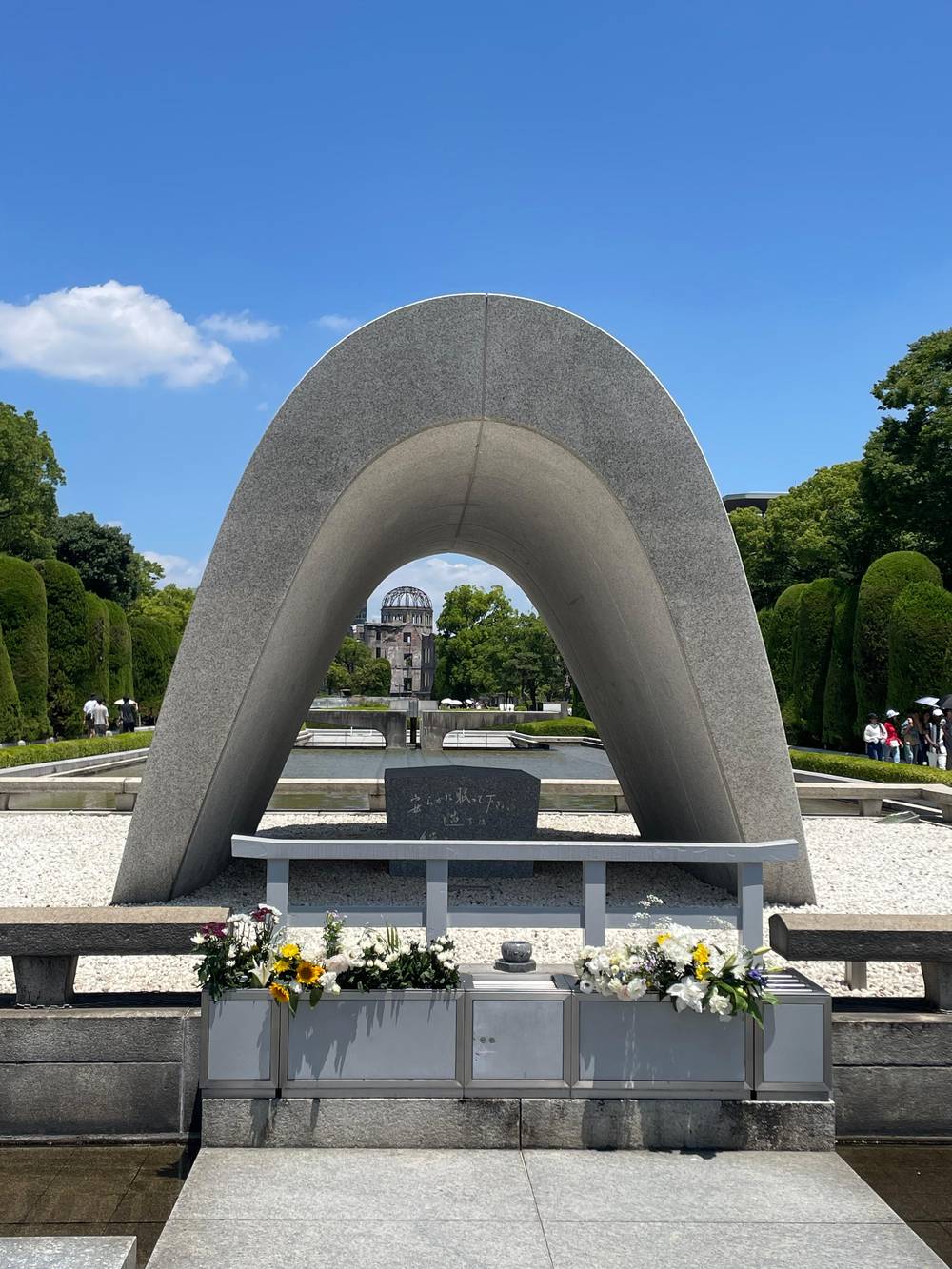
People search for Hiroshima Day as if it were a holiday or a festival, and the city's own name for the event is the Peace Memorial Ceremony. It is held in front of the Cenotaph on August 6, the anniversary of the day the first atomic bomb was used.1 At 8:15 a.m. on August 6, 1945 the Dome building was destroyed by that bomb, and the Dome is now on the UNESCO World Heritage List, added in December 1996.8,9
The history of Hiroshima Day is the history of the bombing and the rebuilding, and the ceremony is not a festival. At exactly 8:15 am, the time the atomic bomb was dropped, the Peace Bell rings, sirens sound all over the city, and for one minute those at the ceremony grounds, in households and in workplaces pay silent tribute to the victims and pray for lasting world peace.1 The Peace Declaration delivered by the Mayor is then sent to every country in the world.10
A visitor is welcome, and a visitor is also a guest on a day that belongs to others. Anyone of any nationality can take part in the daytime ceremony.3 That openness comes with a quiet courtesy: stand still during the minute of silence, keep voices low, put the camera away when the bell rings and leave the front places to the bereaved. The day exists for them first and for everyone else second.
What is different
| Item | A normal day | August 6 | Source |
|---|---|---|---|
| Museum closing | 7:00pm in the main months20 | 9:00pm5 | Museum hours |
| Volunteer park tours | Offered outside July to September23 | Not offered23 | Museum site |
| Parking | Not covered | None for the ceremony6 | City notice |
| Traffic | Normal | Regulated around the park7 | City notice |
| Evening | Open park | Lanterns on the river4 | City notice |
These are the published notices for the Peace Memorial Ceremony and the museum; the city can change them from year to year.2,5
The date has been built into the city's shape, and the law that did so was passed on the anniversary itself. On 6 August 1949 the Hiroshima Peace Memorial City Construction Law devoted the whole Nakajima district to peace memorial facilities, and about 6,500 people lived in the seven neighbourhood units of Nakajima when the bomb fell.13,14 The Peace Memorial Park was completed on 1 April 1954 on that ground, so the place you stand for the ceremony is the place the law set aside.15
The park's monuments carry dates too, and each one adds a thread to the story told on August 6. The Flame of Peace has burned since 1 August 1964 and is to burn until all nuclear weapons have disappeared from the earth.16 The sacred fire at Mt. Misen on Miyajima, which has burned for over 1,200 years, was used to light it.17 The Peace Bell is embossed with a map of the world without borders, symbolising One World.18
The museum is the memory room of the same story. It conveys the horrors and the inhumane nature of nuclear weapons through belongings, A-bombed artifacts and survivors' testimonies, and spreads the message of No More Hiroshimas.19 On August 6 itself, these places are not sights, they are where the ceremony takes place, so visit with that in mind and give the morning to the people it belongs to.
The ceremony runs from 6:30 am to 8:50 am on August 6, subject to change, so the date asks for an early start.2 At 7:55 am a ceremonial offering of water is held before the ceremony proper.11 The centerpiece, the Peace Bell and the minute of silence, comes at 8:15 am.1 If you plan to attend, aim to be at the park well before the offering, and expect to stand for some time. The listings give no seating information, so assume none and wear comfortable shoes.
Getting there is the first constraint. There is no parking for the ceremony, so use public transportation and leave a car at your hotel.6 Traffic is regulated around the Peace Memorial Park on August 6.7 The streetcar from Hiroshima Station takes about 25 minutes to the Peace Memorial Park area, so on this date allow more than that, because the stops near the park will be busy and trains and streetcars will run fuller than usual.24
The weather can add to the strain of an early start and a long wait in the open. JNTO notes that August and September may bring typhoons that can thwart travel plans, and the Peace Volunteers pause their tours on heat stroke alert days.25,23 Bring water and a hat, wear light clothing and watch the forecast for a typhoon before you commit to a date that cannot move. The ceremony date is fixed, so let your hotel and train bookings be the flexible part.
A short chooser
The morning decides everything else on the day.
If I want to attend the ceremony
Be at the park early
If I only want to see the park
Go in the afternoon
If I want the lanterns
Stay until sunset
They are lit at sunset and float past the Dome.12
If I want to see the museum
Reserve the evening slot
It stays open to 9:00pm and extended entry needs a reservation.5,22
If I want a guide
Book a private day
The group is capped at 10 and meets at your hotel.
Three ways to spend the date
After the ceremony
Castle, Dome, park
Clear route
Island first
Your start time
Our listing
The evening is gentler than the morning, and it is the part of the day that visitors can share most freely, since the lantern ceremony is open to anyone. In the evening of ceremony day paper lanterns are floated down the Motoyasu River.4 The official Hiroshima guide says the tradition began when bereaved families and local residents who lost relatives and acquaintances floated handmade lanterns down the river.26
Today the custom has grown. Visitors from Japan and abroad commonly write their thoughts on peace on the lanterns, and about 10,000 lanterns are floated at several locations.27,28 JNTO adds that the lanterns are lit at sunset and float past the remains of the Atomic Bomb Dome, and that anyone can join the lantern ceremony.12 The memorial event at the Peace Park starts in the morning and ends with a river filled with glowing lanterns.29
Treat the lanterns as a quiet event, not a spectacle. Choose a spot on the riverbank, keep your voice low and watch the lights pass the Dome, which is where the river and the story meet. Arrive a little before sunset so that you can find a place without pushing. If you take part by floating one, think of what you want the message to say. The detail of how lanterns are sold or collected is not in the sources we read, so ask at the site on the day.
Work out the bill
Choose how many are coming and see the from price for each style of day.
Look at 4 options
Choose how many are coming and see the from price for each style of day.
≈
View≈
View≈
View≈
ViewFigures are GetYourGuide from-prices, translated at the ECB reference rate. The booking step shows what you pay exactly.
The day in order
6:30 am
The ceremony runs 6:30 am to 8:50 am, subject to change.2
7:55 am
A ceremonial offering of water is held before the ceremony.11
8:15 am
The Peace Bell rings and sirens sound for a minute of silence.1
8:50 am
Daytime
The museum is open to 9:00pm on August 6.5
Sunset
Lanterns are lit at sunset and float past the Dome.12
A normal day-trip plan does not survive August 6 unchanged, and a few of the usual conveniences are missing: the free volunteer walk is not offered, parking is unavailable and the roads around the park are managed. The Hiroshima Peace Volunteers do not offer their free tours on August 6.23 The museum, however, is open until 9:00pm on August 5 and 6, so an evening visit is possible, and entering during the extended hours needs a prior online reservation.5,22
A guided day has to be built around the morning, because the ceremony fills the same hours that a tour would use. The coach day meets at 10:00 AM at Hiroshima Station, after the ceremony ends, and lasts 8 hours. Our private licensed-guide day meets at your hotel, so you can ask for a late start after the ceremony, and it caps the group at 10. Confirm the start time with the operator, because the listing does not state one.
If you want the ceremony and the island on the same date, the clocks still work. Itsukushima Shrine is open until 6:00 p.m. between 1 March and 14 October, and the regular JR ferry runs until 22:14.30,31 Then return to the Peace Memorial Park for the evening lanterns. It is a heavy but possible day, and an overnight stay in Hiroshima makes it easier, since the lanterns run into the evening and the return train leaves you little margin.
Video
The city of Hiroshima on YouTube · Until you tap play, no video is loaded.
At exactly 8:15 am, the time the atomic bomb was dropped, the Peace Bell rings, sirens sound all over the city
If your trip lands near August 6 but not on it, the days around it are still charged with the anniversary, and the city is busier than usual. The museum keeps its extended August hours, 7:30am to 8:00pm, so the evening is open for quieter visits outside the ceremony day.5 A reservation is needed in the extended slots, which in August run from 6:30pm to 7:30pm, and to 8:30pm on August 5 and 6.32
The Peace Memorial Park is also where the rest of the story sits, and a visit on any date can be paired with the museum. The Children's Peace Monument remembers the children who died, including Sadako Sasaki, and was built by her classmates.33 The ceremony ground is in front of the Cenotaph, so on any day of the year the path of the ceremony is also the path of an ordinary visit, past the monuments that the ceremony names.1 Walk it slowly and read each plaque before you move on to the next.
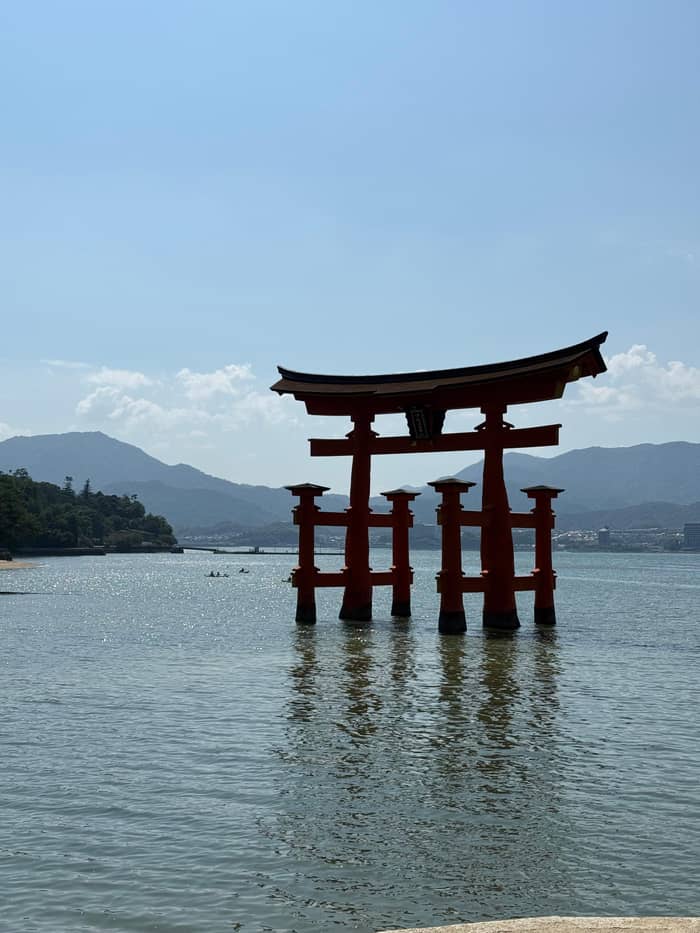
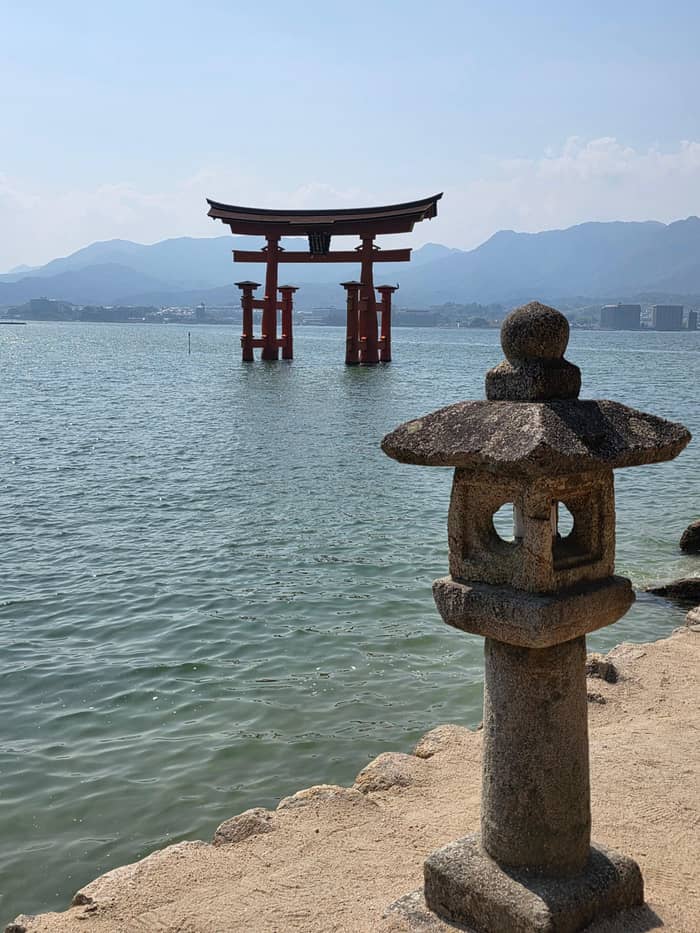
Miyajima offers a counterpoint for the afternoon, and for many visitors it is a welcome change of mood. The ferry from Miyajimaguchi takes about 10 minutes, and at high tide the shrine and the Otorii appear to float on the water.34,35 The Hiroshima Peace Memorial and Miyajima together are the spine of any Hiroshima day trip, and the how-many-days page on this site explains how a second day can make that pair feel less rushed.
FAQ
It is held in front of the Cenotaph, with the Peace Bell and a minute of silence at 8:15 am.1
The schedule is subject to change, so check the city's notice for the year.2
The Hiroshima Peace Volunteers do not offer tours on that date.23
Sources
Fitting Hiroshima and Miyajima into one day? A real person answers here.